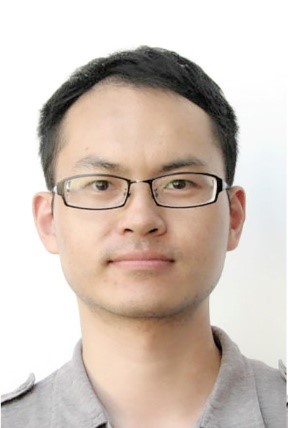
Long Li
Emai: long_li(AT)pku.edu.cn
Homepage:http://www.bio.pku.edu.cn/teacher_dis_oa.php?cid=146&&teaid=629
Research area:
The laboratory focuses on transmembrane transport mechanisms of biological macromolecules such as protein and lipid molecules. The communication and regulation of cells and organelles with the outside needs to pass through the cell membranes. Therefore, transmembrane transport of biomacromolecules is a key step for cells to perform various physiological activities. Transmembrane transport is a dynamic, orderly, and tightly regulated process. At the molecular level, the specific interactions of proteins with phospholipid molecules control the transmembrane transport. A range of membrane proteins function as transporters and transport channels to maintain a dynamic balance of transmembrane transport. A large amount of clinical data show that many diseases are caused by mutations in transporters. Therefore, the molecular mechanisms for transmembrane transport will provide a key drug target for the treatment of related diseases. Our laboratory starts with a series of transport channels and transport enzymes, using biochemical and structural biology methods to reveal the cycle and regulation of its molecular transport.
In addition, the laboratory is committed to the development and application of Nanobody technology. Nanobodies are a class of single-chain, single-domain antibodies that are found mainly in Camelidae animals. Compared with traditional antibodies, Nanobodies have the advantages of simple structure, very stable, easy to express and mutation etc. We use the highly specific binding properties of Nanobodies to stabilize the intermediate state of protein complexes, thereby helping to study biochemical and structural biology. We will create a surface display platform to screen and optimize Nanobodies that are widely used in biotechnology and drug development.
Selected publications:
1. Yang Y*, Wang S*, Wang G*, Lian Y*, Xue L, Jiang W, Guo Q, Song C#, Li L#. Dynamic TOM-TIM23 supercomplex directs mitochondrial protein translocation and sorting. Nat Struct Mol Biol. 2025 Aug 28. doi: 10.1038/s41594-025-01662-x
2. Ou X*, Ma C*, Sun D*, Xu J*, Wang Y*, Wu X, Wang D, Yang S, Gao N#, Song C#, Li L#. SecY translocon chaperones protein folding during membrane protein insertion. Cell. 2025 Apr 3;188(7):1912-1924.e13.
3. Chen J, Zhou X, Yang Y, Li L. Protein translocation through alpha-helical channels and insertases. Structure. 2025 Jan 2;33(1):15-28. (Invited Review)
4. Zhou X*, Yang Y*, Wang G*, Wang S*, Sun D, Ou X, Lian Y, Li L. Molecular pathway of mitochondrial preprotein import through the TOM-TIM23 supercomplex. Nat Struct Mol Biol. 2023 Dec;30(12):1996-2008.
5. Dong L, Yang S, Chen J, Wu X, Sun D, Song C#, Li L#. Structural basis of SecA-mediated protein translocation. PNAS. 2023 Jan 4; 120 (2) e2208070120.
6. Xu J, He Y, Wu X, Li L. Conformational changes of a phosphatidylcholine flippase in lipid membranes. Cell Reports. 2022 Mar 15; 2022(38), 110518.
7. Zhang Y*, Ou X*, Wang X, Sun D, Zhou X, Wu X, Li Q, Li L. Structure of the mitochondrial TIM22 complex from yeast. Cell Research 2021; 31:366–368.
8. He Y, Xu J, Wu X, Li L. Structures of a P4-ATPase lipid flippase in lipid bilayers. Protein&Cell. 2020; 11(6):458-463. (Recommended by Faculty Opinions)
9. Ma C*, Wu X*, Sun D, Park E, Catipovic MA, Rapoport TA#, Gao N#, Li L#. Structure of the substrate-engaged SecA-SecY protein translocation machine. Nature Communications. 2019 Jun 28; 10(1): 1-9. (Recommended by Faculty Opinions)